
Biography
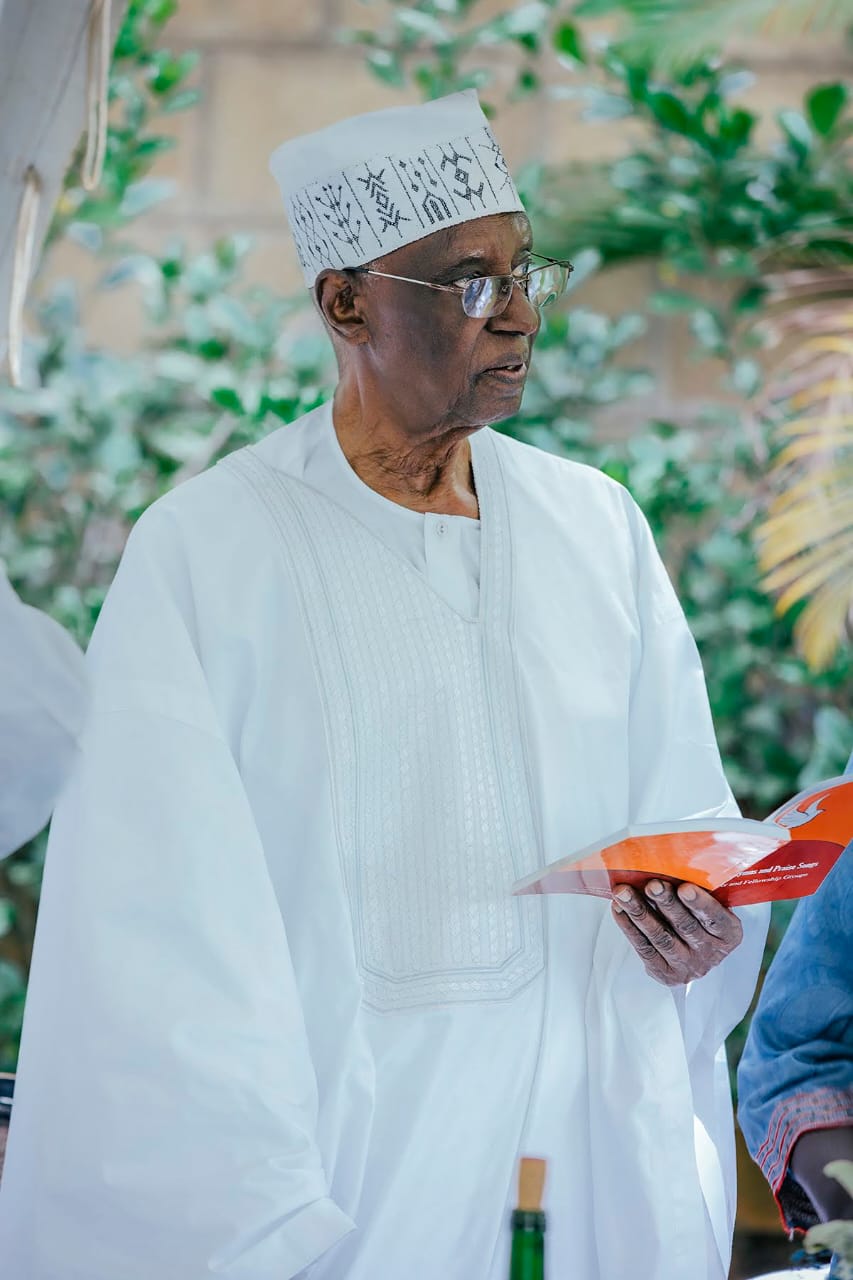
B orn in 1938 in a serene Kabale town on the south-western fringes of the British Protectorate of Uganda, into a family with a distinguished African ancestry, Matthew Rukikaire was raised by a nomad-like missionary father and an uncle who was an Anglophile African chief. In his book Matthew bears first hand witness to the indignities of colonialism, the dashed hopes of independence and the political abyss into which Uganda was thrown after the 1966 constitutional crisis.
Endowed with a liberal mind and a passion for justice, Matthew blazes a colorful trail as a student leader, which leads him to a career in politics. Later, his decision to work with Yoweri Museveni, then a Castro-like guerilla leader, to resist tyranny and liberate the country, turns out to be a watershed moment in his career. At the height of it, the resistance war is launched from his Kampala home, the National Resistance Movement is born in his Nairobi home, and Matthew clandestinely delivers a consignment of arms from Muammar Gaddafi, through two African countries, to Museveni’s guerilla army in the bush.
In his more than 80 years, at least a third spent in public life and leadership, Mr Rukikaire has lived through hope and disappointment, optimism and despair, struggle and success, trepidation and triumph. He has played roles in both what has gone right and wrong with Uganda over the past close to 60 years of independence.